
ArtQuartet News – Summer 2026
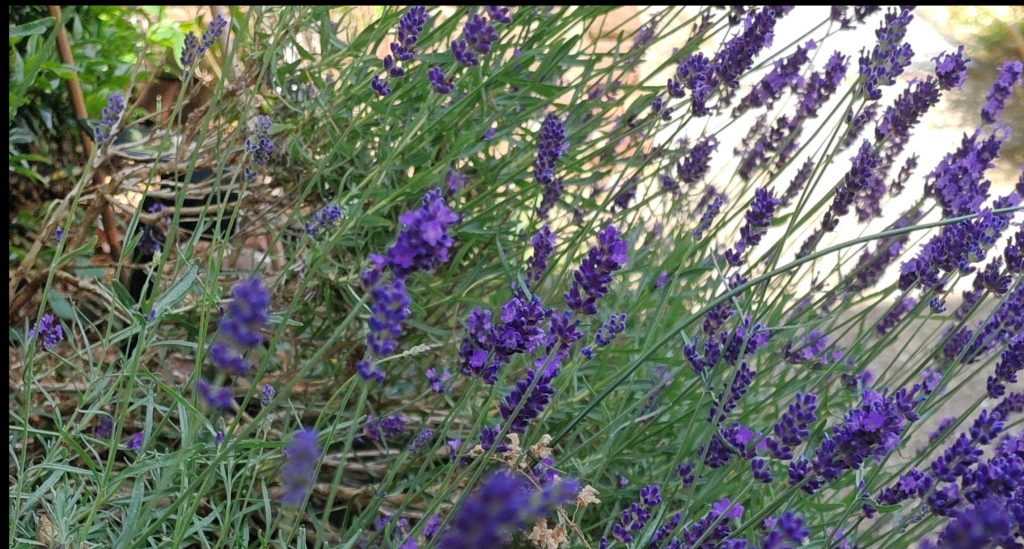
by Sally Parker
Summer Meditation
Summer radiates her golden energy across the garden; golden roses glow in the dappled sunlight, and lavender bends and sways in the soft breeze, like gentle waves caressing water. There’s a quiet beauty in how her dancing light touches each flower, creating rhythm and flow in a single, peaceful moment.
Welcome to my summer blog. Just as summer’s light finds each blossom in the garden, I’ve gathered a selection of pieces here for you to discover—moments of reflection, nourishment, and inspiration for you to find your own quiet beauty in the season ahead:
Step inside and explore:
- Summer Meditation
- Summer Solstice and the Strawberry Moon
- Healing Garden Project – About
- Healing Garden (Summer) – Myrtle
- Mythology – Myrtle
- Hebrew connection – Myrtle & Myrrh
- Healing Myrtle
- Language of Flowers – Myrtle
Summer Solstice and the Strawberry Moon
As mentioned in my previous blogs, my artwork, ‘Mother Earth II,‘ was featured in this year’s Earth Pathways calendar. The new Earth Pathways 2027 wall calendar and diary will launch on 21st June to coincide with the Summer Solstice and will be available for purchase. The front cover features Izumi Omori’s beautiful painting, ‘A Brand New Day’.

The Strawberry Full Moon is on Tuesday, 30th June. The moon’s presence reminds me of the strawberries that start to ripen during early summer, hot days, and my roses blooming. Hence, other names for this full moon are the Rose Moon, Hot Moon, Mead Moon, Horse Moon, Dyan Moon, Flower Moon and Planting Moon!
HEALING GARDEN PROJECT – About
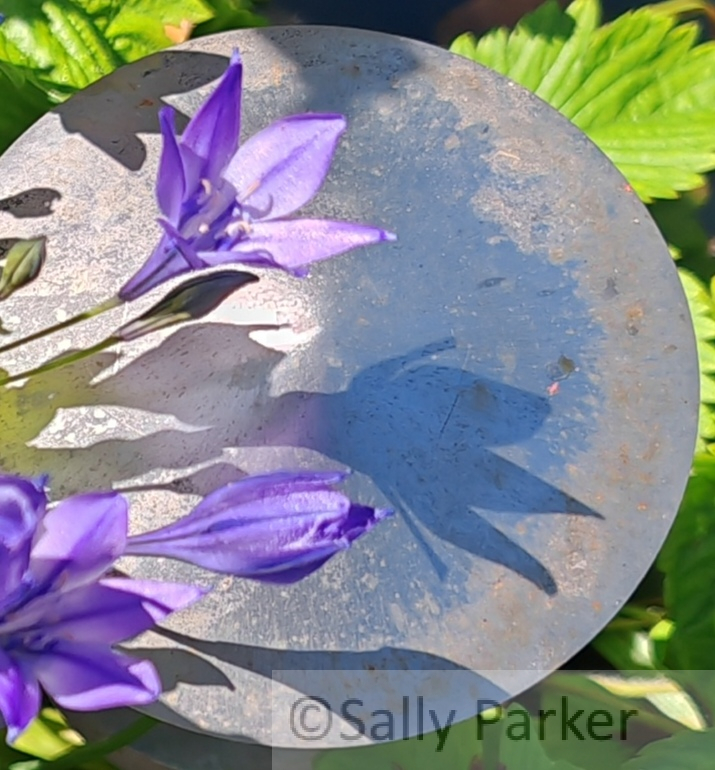
What is the Healing Garden Project? Each season unfolds as a natural cycle, and in my blog, I feature a flower, tree, or plant chosen specifically for its healing energy. By bringing goddess wisdom to the garden and allowing the garden’s wisdom to flow through me, I’ve created a reciprocal practice that has become the living heart of my art.
This project breathed life into my book Four Noble Ladies of the River Garden, and it continues to fuel my current work in progress. Through this sacred exchange—honouring the plants’ ancient wisdom while channelling my own intuitive knowing—I’ve discovered painting alchemy: the transformation of seasonal plant wisdom into visual art that carries emotional resonance and spiritual depth.
HEALING GARDEN: Myrtle (Mediterranean Myrtle Myrtus communis)
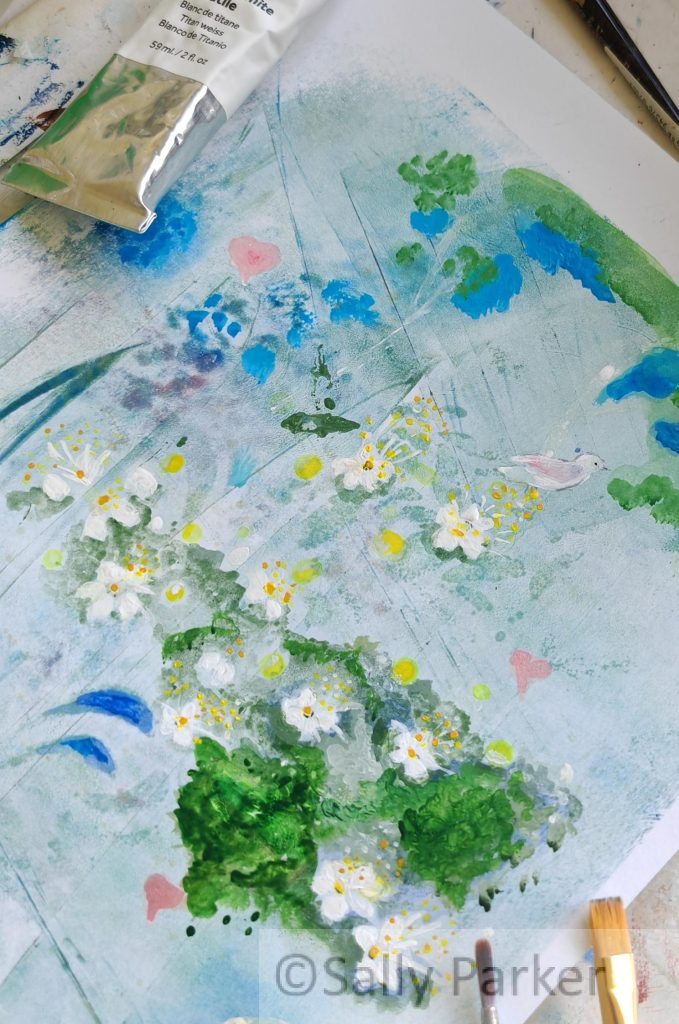
Myrtle’s Latin name, myrtus, was borrowed from ancient Greek myrtos, which refers specifically to the myrtle plant. Other names are Common Myrtle and True Myrtle.
I have a myrtle shrub in my garden, and it blooms with sweet-scented, small, white, ethereal flowers in summer. I chose myrtle for the ‘Healing Garden’ this season for its spiritual energy. Although the flowers are small and often overlooked, they have a fragile elegance. The stamens -—those golden-threaded hearts—create a luminous centre that draws my eye inward, inviting contemplation. It is these qualities that I have been focusing on with this current piece of artwork.
Ancient Greek & Roman Mythology – Myrtle
The ancient Greeks considered the myrtle to be the sacred plant of Aphrodite. They believed that the plant had the virtue of creating love and preserving it. It became customary for brides to wear myrtle garlands and to bathe in myrtle-scented water on their wedding day.
‘In M. Barthelemi’s ‘ Travels of Young Anacharsis’ the author, describing a marriage ceremony in the Island of Delos, says that the inhabitants of the island assembled at daybreak, crowned with flowers; flowers were strewn in the path of the bride and bridegroom; and the house was garlanded with them. Singers and dancers appeared crowned with Oak, Myrtles, and Hawthorn.’ R Folkard
Myrtle was part of the Greek landscape, growing around temple groves, especially along the shoreline. Myrtle, also associated with Demeter, Mother Earth/Mother of All Seasons, symbolised peace, fertility, and growth.
Romans continued to revere the idea of a goddess of love, in the form of ‘Venus’. According to Athenaeus of Naucratis, the chariot of Venus was not only filled with roses and quinces, but also with myrtles. Ovid’s poem, The Fasti (Book 4), describes Venus on the island of Cythera as she emerged from the sea and took shelter behind a myrtle bush to avert the gaze of the satyrs. The myrtle plant was a traditional Roman symbol of marriage, fidelity, and permanent union.
It was customary for Romans to crown bridegrooms as well as brides with a chaplet of red and white roses and myrtle on their wedding day. In addition to marriage ceremonies, the Roman hero wore myrtle as a badge of victory, and sometimes it accompanied laurel in honour of Venus and Mars.
Hebrew Connection – Myrrh & Myrtle
Myrtle, a symbol of peace, is often referred to in the Old Testament. In the Book of Esther, the heroine’s Hebrew name, Hadassah, means “myrtle tree”. She is associated with the phrase Mor veHadas (Myrrh and Myrtle), representing peace (myrtle) and the purification ritual (myrrh) she underwent. Many families still hang bundles of myrtle outside the sukkah (a temporary hut constructed for use during the week-long Jewish festival of Sukkot) because of its pleasant fragrance and theological importance.
Healing Myrtle
Myrtle (Myrtus communis) oil possesses significant therapeutic properties, including antioxidant, antimicrobial, and anti-inflammatory activities.* It has been historically used in folk medicine to treat gastrointestinal disorders, skin conditions, and respiratory issues.
Myrtle’s essential oil is generally mild but should be used with caution, particularly around children, and not ingested without professional guidance.*
In late autumn, my garden myrtle produces berries packed with phenolic compounds, including flavonoids and anthocyanins. The berries are often used in cooking, especially in the Mediterranean, and in making herbal liqueurs like Mirto.
Language of Flowers – Myrtle
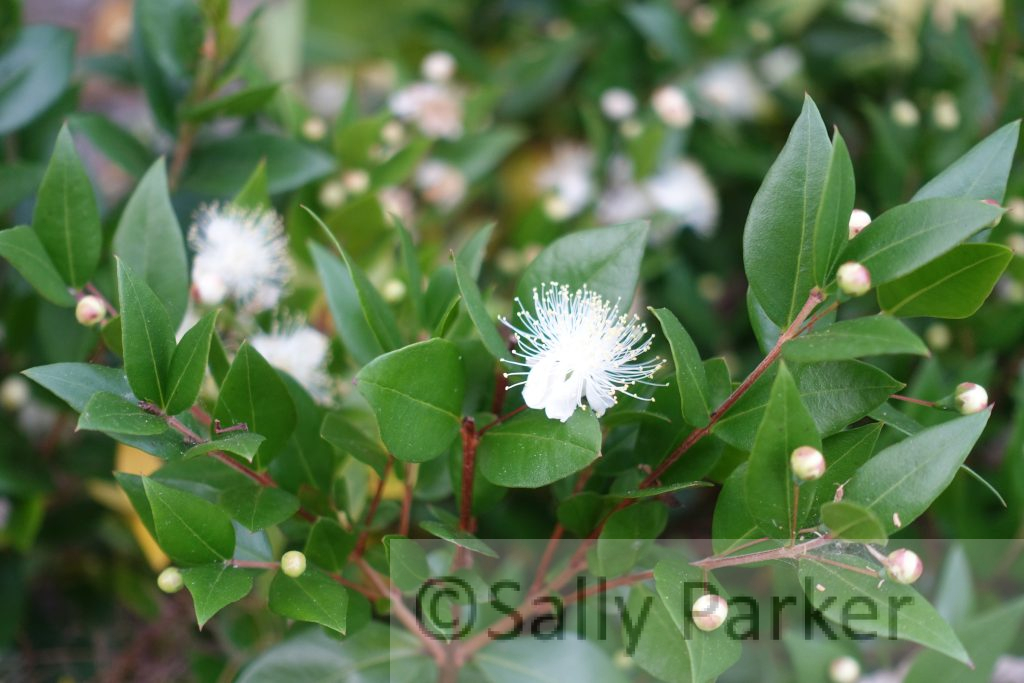
Astrologers associate myrtle with the Moon because both are fundamentally linked to water, the divine feminine and emotional intuition. Carry a sprig of myrtle to preserve love and youthfulness. Grow myrtle around the house to promote peace and love. If a woman plants Myrtus communis in a window box, she will become lucky. Queen Victoria’s and Princess Catherine’s bridal bouquets both included a sprig of myrtle.
Thank you for reading, and I send to you all warm Solstice blessings and wish you a happy summer season 2026!
Best wishes
Sally
Sources:
Folkard R’ Plantlore, Legends & Lyrics’
*Disclaimer: This blog is for educational purposes only. Always consult a healthcare professional before using herbal remedies.